March 26, 2026
Selecting the right building supplies is one of the most critical steps in ensuring a construction project’s success. Whether you are constructing a residential home, a commercial building, or a small remodeling project, the quality and suitability of your materials directly affect the durability, safety, and aesthetics of the final result. Partnering with reputable building material suppliers not only ensures access to high-quality products but also provides guidance on industry standards, compliance, and best practices. Making informed decisions early in the process can save time, reduce costs, and prevent issues that could arise from substandard materials or poor planning.
Construction projects are complex and often involve many moving parts, from permits and design to budgeting and logistics. Within this context, selecting the right building supplies serves as the foundation for a project’s overall success. From structural components to finishing touches, each material choice impacts both the immediate construction process and the long-term performance of the building. Considering factors such as quality, cost, environmental impact, and regional suitability helps ensure that your project is completed on time, within budget, and to the desired standard of craftsmanship.
What Are the Most Essential Building Materials?
Every construction project relies on a core set of essential building materials that provide strength, durability, and functionality. Concrete, for instance, remains one of the most widely used materials due to its exceptional compressive strength, versatility, and long lifespan. It is commonly employed for foundations, slabs, and load-bearing walls, forming the structural backbone of most projects. Steel complements concrete by offering tensile strength, making it indispensable for frameworks, reinforcements, and roofing structures. The combination of concrete and steel provides a balance of durability and flexibility that can withstand both environmental pressures and daily wear.
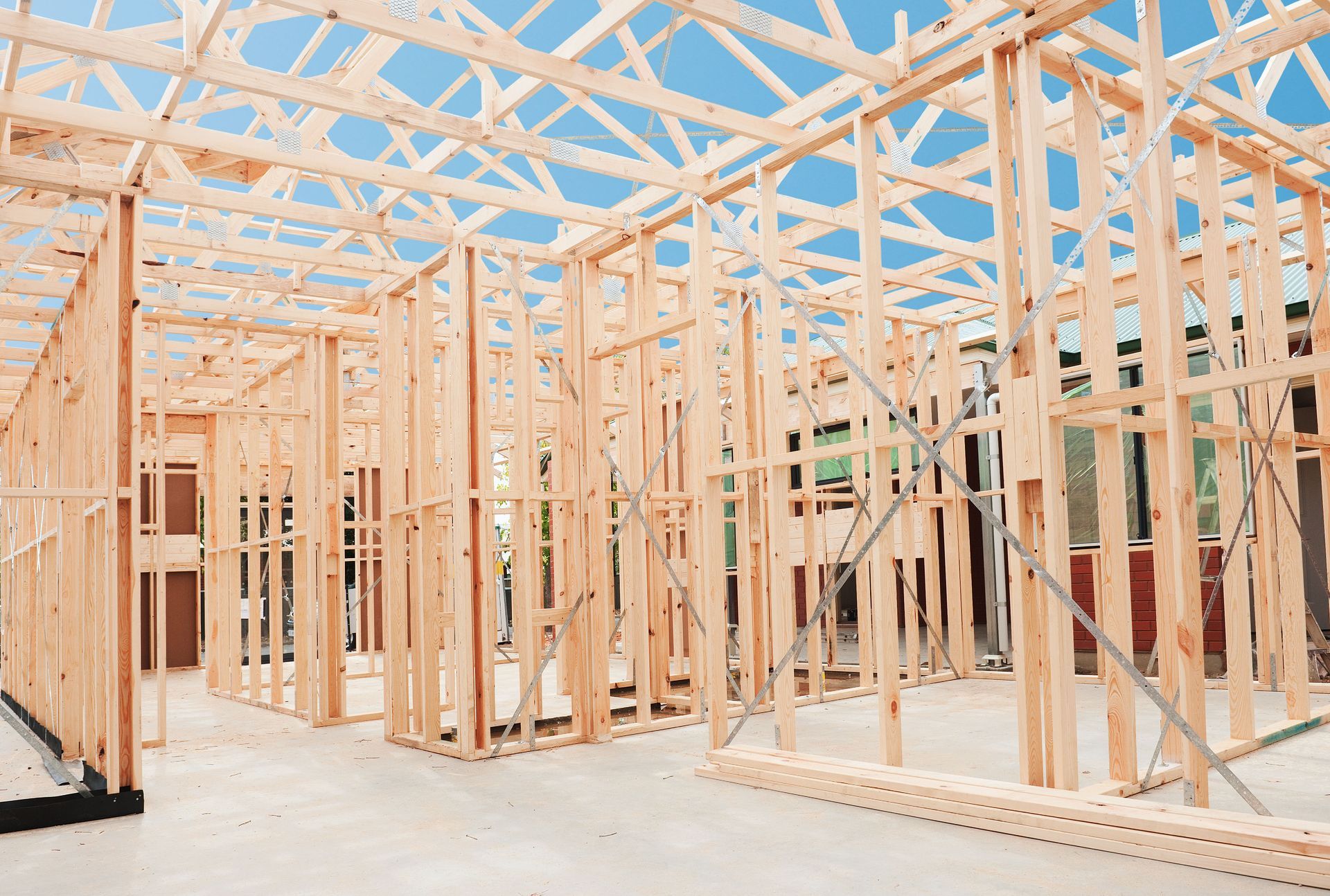
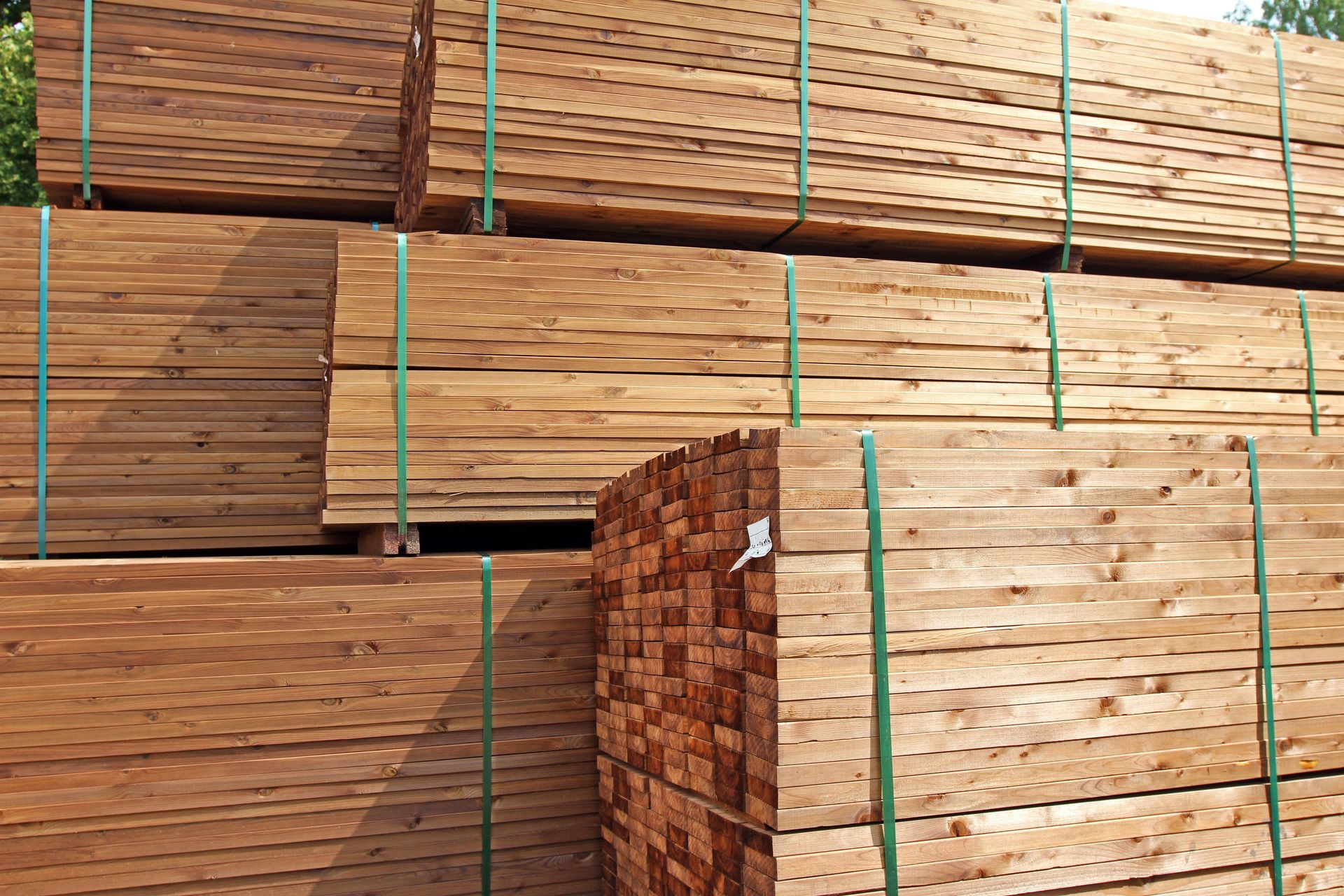
Lumber continues to be a fundamental material for framing, flooring, cabinetry, and interior construction. Its natural properties allow for easy cutting, shaping, and installation, which makes it ideal for a variety of residential and commercial applications. For finishing and aesthetic purposes, materials such as drywall, insulation, roofing shingles, windows, and doors are crucial. These components not only influence the overall appearance of a building but also contribute to energy efficiency, sound insulation, and long-term maintenance.
Roofing deserves particular attention, as it protects the structure from weather, water damage, and environmental wear. According to Ruby Home, approximately five million roofs are replaced each year in the United States. This statistic highlights the importance of sourcing durable roofing materials from reputable building material suppliers, as investing in quality shingles, underlayment, and fasteners can prevent costly replacements and repairs in the future. In essence, choosing the right combination of essential materials sets the foundation for a project that is both structurally sound and visually appealing.
How to Assess the Quality of Building Material Suppliers
Identifying reliable building material suppliers is just as important as selecting high-quality materials themselves. Reputable suppliers provide consistency, quality assurance, and support throughout the construction process. One of the first indicators of a trustworthy supplier is their reputation within the industry. Reviews from past clients, professional references, and industry certifications can offer insight into the reliability, professionalism, and accountability of a supplier.
The range of products offered by a supplier also matters. Suppliers with diverse inventories provide a convenient one-stop solution, allowing project managers to source multiple materials from a single provider. This not only reduces logistical complexity but also minimizes the risk of delays caused by stock shortages or fragmented deliveries. Additionally, understanding the supplier’s sourcing practices is critical. Do they work directly with certified manufacturers? Are their products tested for compliance with local building codes and industry standards?
Service quality is another vital factor. Responsive communication, clear documentation, and flexible delivery schedules ensure that construction timelines are maintained and potential issues are addressed promptly. Many top-tier building material suppliers offer consultation services, helping project planners make informed decisions based on material performance, durability, and cost. Evaluating suppliers on these criteria enables construction teams to build stronger relationships and secure materials that meet both practical and aesthetic requirements.
What Are the Cost Implications of Different Building Materials
The financial impact of building material choices extends well beyond the purchase price. While lower-cost materials may initially seem appealing, they can result in higher long-term costs due to increased maintenance, repairs, or premature replacements. Conversely, investing in higher-quality materials often results in lower lifecycle costs. For example, premium roofing materials, durable windows, and high-performance insulation can reduce energy consumption and maintenance needs, providing significant cost savings over time.
Budgeting effectively requires evaluating both upfront costs and ongoing expenses. Shipping fees, handling, and storage considerations can also affect total costs, particularly when sourcing materials from distant suppliers. Partnering with local building material suppliers may reduce these expenses while ensuring timely delivery and access to region-specific expertise. Additionally, suppliers can provide pricing comparisons, helping project planners select materials that align with both quality expectations and budget constraints. By understanding the true cost implications of material choices, project managers can strike a balance between affordability and long-term performance.
How Does Location Affect the Selection of Building Materials
Geographic location and climate play a significant role in determining the suitability of building materials. Coastal regions, for instance, often require materials resistant to corrosion from salt air and high humidity, while areas with extreme cold demand products that withstand freeze-thaw cycles without cracking or warping. Regions prone to high winds, hurricanes, or heavy snowfall necessitate materials with reinforced structural integrity, particularly for roofing, siding, and window installations.
Local building codes and regulations further shape material selection. Suppliers with experience in regional requirements can provide valuable guidance on compliant products and construction practices. Access to local building material suppliers not only ensures code compliance but also improves logistics, as sourcing from nearby warehouses reduces delivery times, transportation costs, and potential delays. Moreover, regional suppliers are often better equipped to recommend materials specifically designed to endure local weather conditions, ensuring that the building remains durable and resilient for decades.
What Are the Environmental Considerations When Choosing Building Materials
Environmental sustainability is an increasingly critical consideration in construction. Building materials impact the environment in multiple ways, from extraction and manufacturing to transportation, installation, and disposal. Choosing eco-friendly products can reduce a project’s carbon footprint and promote long-term environmental responsibility.
Materials such as recycled steel, sustainably sourced lumber, low-VOC paints, and energy-efficient insulation help minimize environmental impact while maintaining performance standards. Partnering with building material suppliers who prioritize sustainability ensures transparency in sourcing practices and availability of green alternatives. Some suppliers also provide documentation that supports green building certifications, which can be valuable for commercial projects or homeowners aiming for LEED or other eco-conscious certifications.
Sustainable material choices extend beyond the product itself. Using locally sourced materials reduces transportation emissions, and selecting durable materials minimizes the need for frequent replacements. Integrating environmental considerations into material selection not only benefits the planet but also enhances the long-term resilience and market value of the property.
Choosing the right building supplies is a critical component of any construction project. From essential structural elements to finishing materials, each selection has a direct impact on durability, performance, and aesthetics. Reliable
building material suppliers play an important role in ensuring material quality, consistency, and regulatory compliance. Cost, location, and environmental factors further influence material decisions, highlighting the need for careful planning and informed choices.
By understanding the importance of material selection and working with trusted suppliers, construction professionals and homeowners can achieve successful projects that meet both immediate needs and long-term goals. Investing time in evaluating materials, assessing suppliers, and considering regional and environmental factors ensures a smoother construction process and a final product built to last. If you're looking for quality building materials with great customer service, reach out to the team at C & C Building Supplies today!