November 25, 2026
Big construction projects shape the cities, towns, and neighborhoods where we live, work, and shop every day. From towering office buildings and sturdy bridges to sprawling apartment complexes, builders rely on strong supplies to keep people safe. Even as designs grow taller and more creative, the basic goal remains simple: every structure must stand firm against heavy weather, daily wear, and time. Using quality local building materials also helps keep building budgets reasonable while cutting down on waste. When builders plan ahead and pick smart options, whole communities enjoy safer roads, better schools, and more comfortable places to call home.
Demand for reliable supplies continues to grow across the country as towns expand and families look for new places to live. According to ConstructionCoverage.com, around 1.5 million new homes are built or authorized each year in the United States. Alongside housing, crews are constantly putting up new hospitals, warehouses, and shopping centers. To keep these massive jobs moving on schedule, contractors often turn to local building materials that are easy to haul and suited for regional weather. Understanding how these core supplies work gives everyday homeowners and property planners a clear look at what makes modern buildings last.
Using Concrete for Structural Strength
Concrete is the true workhorse of big construction projects, forming the solid base under almost every major structure you see. Made from a simple mix of water, cement, sand, and crushed rock, concrete starts as a thick liquid that builders can pour into almost any shape. Once it dries and hardens, it becomes tough as stone and handles massive weight without bending. Crews use it for deep building foundations, busy highways, thick bridge supports, and sturdy dam walls. Because it resists fire and harsh storms, concrete gives large buildings the steady backbone they need to stay standing for generations.
Builders also use different styles of concrete depending on what a job requires. Steel bars are often placed inside wet concrete to help it stretch and bend safely during strong winds or ground shakes. For fast schedules, factories cast giant concrete wall panels ahead of time and ship them straight to the job site for quick assembly. Today, many suppliers mix recycled materials into their batches and source gravel from nearby quarries to provide dependable local building materials. New self-healing mixes can even seal tiny cracks on their own when rainwater seeps in, saving owners money on future repairs.
Choosing Steel for Tall Frameworks
While concrete handles heavy pushing weight from above, steel gives modern buildings the tall, open frames that define city skylines. Steel is an incredibly strong metal that weighs much less than solid stone or thick masonry. Because of this high strength-to-weight balance, builders can stack dozens of floors into the sky without crushing the ground floor below. Steel beams also stretch across wide open spaces, which is why stadiums, airport terminals, and warehouses use steel roofs. Without steel framing, giant indoor rooms would need dozens of bulky pillars blocking the view inside.
Another major perk of steel is how fast and cleanly crews can put it together on busy job sites. Workers cut and shape steel beams in a shop, label every piece, and bolt them together on site like a giant building set. This speed keeps noisy construction timelines shorter in crowded neighborhoods. Steel is also one of the easiest materials to recycle, meaning old beams from torn-down buildings can be melted down and reused again. By ordering steel frames alongside local building materials, project managers cut shipping delays, lower pollution, and keep workers safe on high-rise jobs.
Selecting Glass for Natural Light
Modern buildings use far more glass than structures built a hundred years ago, turning dark indoor rooms into bright, welcoming spaces. Big glass windows and exterior glass walls let natural sunlight pour deep into offices, schools, and apartment lobbies. Studies show that working and living in sunlit rooms lifts people's moods and cuts down on the need for electric lights during the day. To keep people safe, builders use tempered and layered glass that is much tougher than regular window panes. If a heavy storm branch hits this safety glass, it holds together instead of scattering sharp pieces across the floor.
Smart upgrades have turned plain glass into a high-performing shield against heat, cold, and street noise. Double-pane and triple-pane windows trap air or safe gas between layers to stop winter heat from escaping and summer heat from sneaking inside. Special thin coatings reflect harsh sun rays while still letting clear daylight pass right through. In noisy downtown areas, thick sound-blocking glass keeps busy traffic sounds outside where they belong. Working with suppliers who stock energy-saving glass and local building materials helps builders create quiet, comfortable rooms that save money on monthly power bills.
Installing Timber for Warm Sustainability
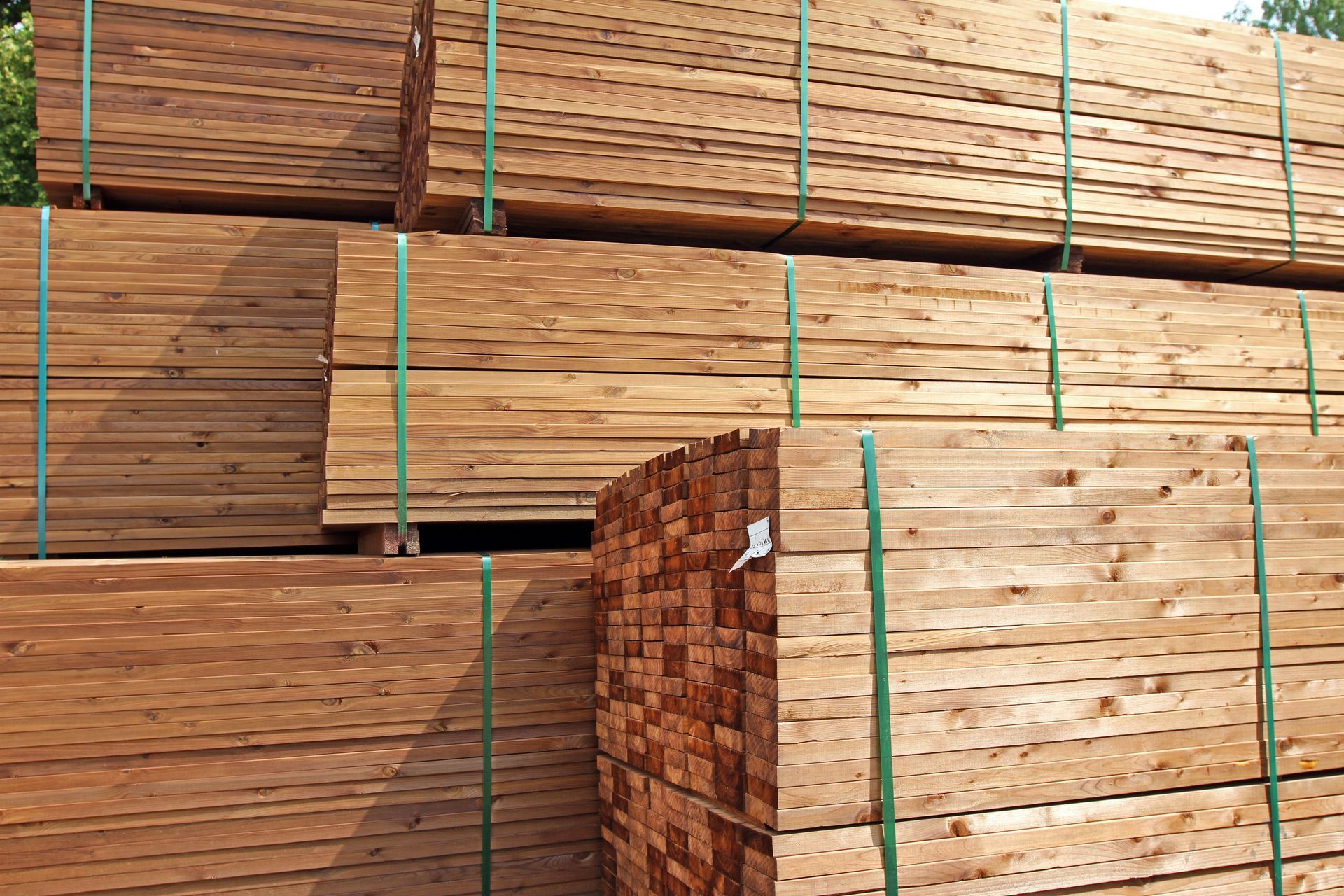
Wood has been a favorite building supply for thousands of years, and new factory methods now let builders use it on giant projects too. Instead of using single logs, modern mills press and glue layers of wood together to make extra-strong beams and thick floor panels. This engineered wood, often called mass timber, is strong enough to hold up multi-story apartment buildings and large community centers. People love wood buildings because exposed timber ceilings look warm, cozy, and natural compared to cold gray walls. Surprisingly, thick engineered wood also holds up well in fires because the outer layer chars slowly and protects the strong core inside.
Timber is also one of the most planet-friendly choices for large construction jobs when trees are grown and harvested responsibly. Growing trees pull carbon out of the air, and locking that wood inside a building keeps it stored away for decades. Because engineered wood panels are lighter than concrete, crews can lift them into place with smaller cranes and fewer trucks. Sourcing wood from nearby forests gives contractors fast access to renewable local building materials while supporting regional forestry jobs. Combining sturdy timber with concrete and steel lets builders balance warmth, speed, and strength on every floor.
Sourcing Materials for Project Success
Every large construction project succeeds when builders match the right supplies to the exact needs of the site and local climate. Concrete provides rock-solid ground support, steel reaches high into the sky, glass brings in cheerful daylight, and engineered wood adds natural warmth. No single supply does every job alone, so smart crews blend these four workhorses together to build safer, greener, and longer-lasting spaces. When teams choose local building materials whenever possible, they avoid long shipping waits, reduce fuel waste, and keep project budgets steady from the first dig to the final inspection.
Whether you are planning a major commercial build, managing a neighborhood housing project, or upgrading your own property, picking quality supplies makes all the difference. Having reliable
local building materials on hand ensures your crew stays on schedule and builds something that stands proud for decades. Even small choices, like picking better insulation or stronger fasteners, pay off through lower repair bills and better comfort every season. When you are ready to start your next project with top-notch supplies and helpful service, reach out to C & C Building Supplies today to explore your options and get your build off to a strong start.